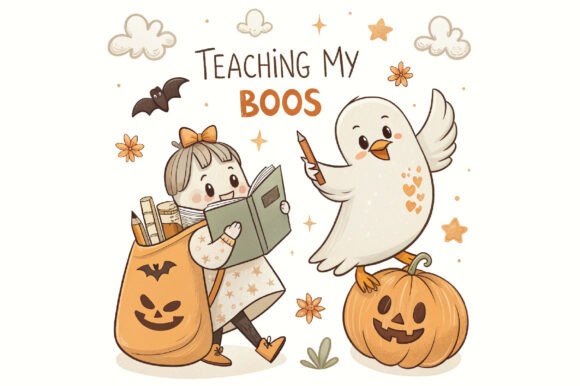
Retro Teaching My Boos Back to School
Retro Teaching My Boos Back to School is a unique blend of nostalgia and modern creativity, offering a way for educators and enthusiasts alike to revisit the classroom experience through a vintage lens. This concept brings together retro educational themes with contemporary teaching methods, creating an engaging environment that appeals to both students and teachers. The term "Boos" refers to a group of individuals who are passionate about education, often looking for innovative ways to enhance their teaching practices or personal learning experiences.
What makes Retro Teaching My Boos Back to School stand out is its ability to merge the best elements of traditional education with modern technology. By incorporating classic teaching techniques such as chalkboards, vintage textbooks, and handwritten notes alongside digital tools like interactive whiteboards and online resources, this approach offers a balanced and comprehensive learning experience. It allows educators to create a classroom atmosphere that feels familiar yet fresh, making it easier for students to connect with the material.
Understanding the Concept
The core idea behind Retro Teaching My Boos Back to School is to provide a platform where educators can explore and implement teaching strategies that have stood the test of time while also embracing new technologies. This approach encourages a more hands-on and interactive learning process, which can be particularly beneficial for students who thrive in environments that combine tradition with innovation.
One of the key aspects of this method is the emphasis on community and collaboration. Educators who participate in Retro Teaching My Boos Back to School often engage in discussions, share resources, and collaborate on lesson plans. This sense of community not only enhances the teaching experience but also fosters a supportive network among educators who are committed to continuous improvement.
Comparing with Similar Approaches
While there are several approaches to education that emphasize blending the old with the new, Retro Teaching My Boos Back to School has distinct characteristics that set it apart. For instance, compared to traditional teaching methods, which may rely heavily on rote memorization and standardized testing, this approach focuses on experiential learning and student engagement. It encourages critical thinking and creativity, allowing students to explore topics in depth rather than just memorizing facts.
On the other hand, when compared to purely digital learning platforms, Retro Teaching My Boos Back to School offers a more personalized touch. While online learning can be highly effective, it often lacks the interpersonal connections that are crucial for student motivation and success. By integrating traditional elements with digital tools, this approach creates a more holistic learning experience that caters to diverse learning styles.
Strengths and Tradeoffs
One of the primary strengths of Retro Teaching My Boos Back to School is its flexibility. Educators can tailor their teaching methods to suit the needs of their students, whether they prefer a more traditional approach or a tech-savvy one. This adaptability ensures that all students can find a learning style that resonates with them, leading to better engagement and improved academic performance.
However, there are tradeoffs to consider. Implementing this approach may require additional resources, including access to both traditional and digital materials. Educators may need to invest in tools such as interactive whiteboards, tablets, or even vintage classroom supplies to create the desired environment. Additionally, training may be necessary to effectively integrate these resources into daily teaching practices.
Another consideration is the potential challenge of maintaining consistency across different classrooms or schools. While some educators may embrace the Retro Teaching My Boos Back to School philosophy wholeheartedly, others may be hesitant to deviate from established curricula and teaching methods. This could lead to disparities in the quality of education provided to students, depending on the willingness of individual educators to adopt this approach.
Best-Fit Situations
Retro Teaching My Boos Back to School is particularly well-suited for educators who are looking to innovate within their existing teaching frameworks. It can be especially beneficial in settings where students show a strong interest in historical or cultural contexts, as the retro aspect can help bring these topics to life in a more engaging manner.
This approach can also be ideal for schools or educational programs that aim to foster creativity and critical thinking skills. By combining traditional teaching methods with modern technology, educators can create a dynamic learning environment that encourages exploration and experimentation. Students who thrive in such environments may find themselves more motivated and engaged in their studies.
Moreover, Retro Teaching My Boos Back to School can be an excellent option for educators who want to build a sense of community within their classrooms. The collaborative nature of this approach can help students develop social skills and teamwork abilities, which are essential for success in both academic and professional settings.
When to Consider Alternatives
While Retro Teaching My Boos Back to School offers many benefits, there may be situations where alternative approaches are more appropriate. For example, if a school is operating under strict budget constraints, the cost of implementing this method may be prohibitive. In such cases, educators may need to prioritize cost-effective solutions that still promote student engagement and learning outcomes.
Additionally, if a school's curriculum is heavily focused on standardized testing, the flexibility offered by Retro Teaching My Boos Back to School may not align with the goals of the institution. In these scenarios, educators may need to adhere to more rigid teaching methods that are designed to prepare students for assessments rather than fostering creativity and critical thinking.
It is also important to consider the preferences of students and parents. If there is a strong preference for traditional teaching methods, educators may need to strike a balance between incorporating retro elements and maintaining the expectations of the community. This requires careful planning and communication to ensure that all stakeholders feel their needs are being met.
Realistic Examples and Practical Comparisons
To illustrate how Retro Teaching My Boos Back to School can be implemented, consider a high school history teacher who wants to make lessons more engaging. Instead of relying solely on textbooks, the teacher could incorporate vintage maps, photographs, and artifacts into the curriculum. These items can be used to spark discussions and encourage students to think critically about historical events.
In contrast, a teacher using a purely digital approach might rely on online simulations and virtual tours to teach the same topic. While this method can be effective, it may lack the tactile experience that comes with handling physical artifacts and documents. By combining both approaches, the teacher can create a more immersive and memorable learning experience for students.
Another example could be a middle school science teacher who uses a mix of hands-on experiments and digital resources to teach concepts such as gravity and motion. By incorporating traditional lab equipment alongside interactive software, the teacher can help students understand complex ideas through multiple modes of learning. This blended approach can cater to different learning styles and ensure that all students have the opportunity to grasp the material.
Ultimately, the decision to adopt Retro Teaching My Boos Back to School will depend on a variety of factors, including the needs of the students, the resources available, and the goals of the educational institution. By carefully evaluating these considerations, educators can determine whether this approach is the right fit for their teaching practice or if an alternative method would be more suitable.